
Independent Technical AdvisorFor confident, transparent decisions that work in practice
AEGIS Technical Advisor works on the client side to help organizations assess needs, define requirements, evaluate technologies and vendors, analyze costs, control delivery, and verify readiness before real-world operation.
We do not sell products, represent manufacturers, or accept vendor commissions. Our role is to help clients make decisions based on evidence, suitability, value, and real project risk.
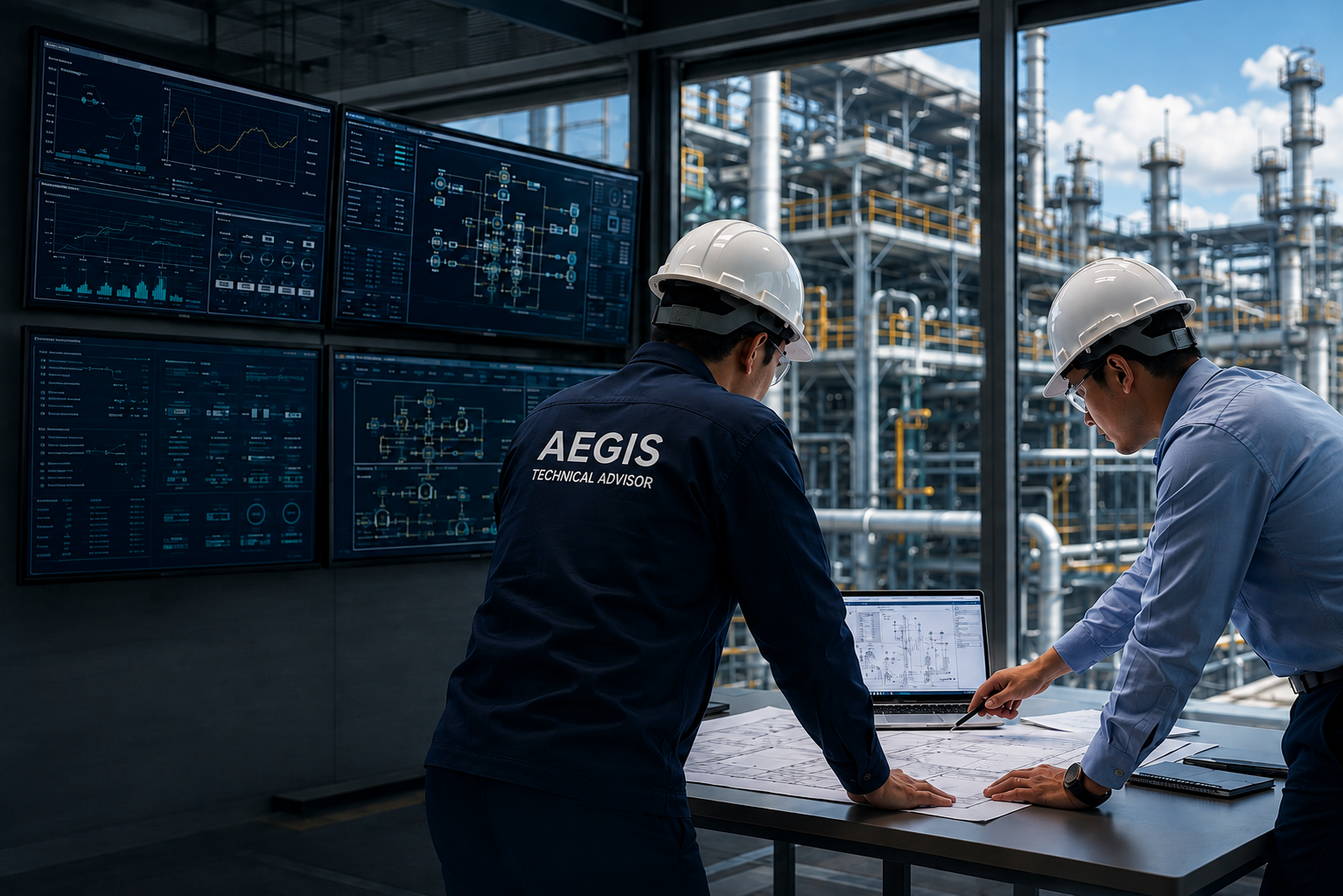
Independent from Vendors
We do not sell products, act as a distributor, or accept commissions from vendors.
Evidence-Based Advice
Recommendations are based on requirements, technical data, cost, risk, and real-world use.
Client-Side Representation
AEGIS works for the client’s interests, not for the sales targets of external parties.
Transparent & Auditable
Evaluation criteria, risks, and the rationale behind recommendations can be reviewed and audited.
Technical investment mistakes often begin before procurement
Unclear requirements, vendor-only information, restrictive specifications, incomplete cost analysis, and the absence of independent review can lead to unnecessary cost, delays, procurement risk, and operational problems later in the project.
Unclear Project Requirements
Unclear requirements can lead to TORs, specifications, and systems that do not match the organization’s actual operational needs.
Vendor-Driven Overspecification
Solutions may be shaped around what a vendor wants to sell rather than the problem and outcomes the organization actually needs.
Specification Lock-In and Restrictive Requirements
Overly specific requirements without sufficient technical justification can limit competition, reduce options, and increase organizational risk.
Conflicts of Interest in Procurement
Relationships or interests among stakeholders can compromise the neutrality of requirements, evaluations, and procurement decisions.
Price Does Not Reflect the True Cost
A low purchase price may conceal future service costs, while a high price may include functions or services the organization does not need.
Technology Mismatch
The technology with the strongest specifications may still be unsuitable for existing systems, personnel, budgets, or operational processes.
Post-Sale Support Risk
Changes in distributors, support teams, or vendor status can leave organizations without clear accountability when problems arise.
Delivered but Not Operational
Completing a delivery checklist does not necessarily mean the system can operate effectively in the real working environment.
From Requirements to a System That Works in Practice
We do not begin by selecting products. We begin by understanding the outcomes the organization needs, then systematically evaluate requirements, technologies, vendors, costs, risks, and operational readiness.
Understand the Need
Understand the problem, objectives, users, and organizational constraints.
Define Requirements
Translate needs into measurable requirements and acceptance criteria.
Evaluate Options
Compare technologies, options, costs, suitability, and risks.
Evaluate Vendors
Review proposals, vendor capability, pricing, references, and delivery risks.
Control Delivery
Monitor scope, milestones, change orders, and project risks.
Verify Readiness
Verify testing, acceptance, training, documentation, and operational readiness.
Advisory Services Across the Project Lifecycle
AEGIS can support your organization from early needs assessment and pre-procurement planning through vendor evaluation, delivery control, testing, acceptance, and operational readiness.
Technical Needs Assessment
Assess the problem, users, objectives, needs, and project constraints before defining a solution.
View Service 02TOR & Specification Advisory
Develop or independently review TORs, technical specifications, and acceptance criteria to align with actual needs.
View Service 03Vendor Evaluation
Evaluate proposals, vendor capability, references, pricing, and risks using transparent and auditable criteria.
View Service 04Cost & Commercial Analysis
Analyze purchase price, hidden costs, maintenance, and Total Cost of Ownership to understand the true long-term cost.
View Service 05Project Assurance
Monitor scope, milestones, risks, change control, and delivery to protect the interests of the project owner.
View Service 06Testing & Acceptance
Review testing, acceptance, defects, documentation, and operational readiness before final acceptance.
View ServiceThe party selling the solution should not be the only source of information for an investment decision
Vendors are responsible for presenting their own products and services. Organizations are responsible for selecting what best fits their needs, budget, risks, and actual operating environment.
AEGIS bridges the gap with independent, evidence-based analysis focused on the interests of the project owner.
Why AEGISIndependent from Vendors
Not tied to any manufacturer, distributor, contractor, or product.
No Vendor Commission
No vendor commissions or incentives that could compromise independence.
Evidence-Based Analysis
Recommendations are supported by data, criteria, risk analysis, and clear rationale.
Transparent & Auditable
Evaluation processes and decision rationale can be reviewed and audited.
AEGIS Works with the People Accountable for Project Outcomes
Our services support the people responsible for technical investment decisions, procurement, project delivery, operations, and governance.
Executives & Project Owners
For leaders who approve budgets, assess value, and remain accountable for investment outcomes.
Procurement
For teams that must compare vendors, prices, scope, and commercial terms fairly and with evidence.
Project Teams
For teams responsible for scope, schedule, risk, change, and project delivery.
Engineering & Technical Teams
For teams responsible for reviewing technology suitability, specifications, installation, and test results.
Operations & End Users
For the people who will operate the system after delivery and need the solution to fit real workflows.
Internal Audit & Compliance
For organizations seeking transparent, auditable processes and stronger controls over conflict-of-interest risk.
Knowledge for Better Decisions
Articles, guides, and practical frameworks for executives, procurement teams, project managers, and technical teams covering requirements, TORs, vendor evaluation, cost, project delivery, and acceptance.

How to Collect Requirements Before Writing a TOR
Well-defined requirements are the foundation for TORs, specifications, vendor evaluation, and acceptance criteria.
Read Article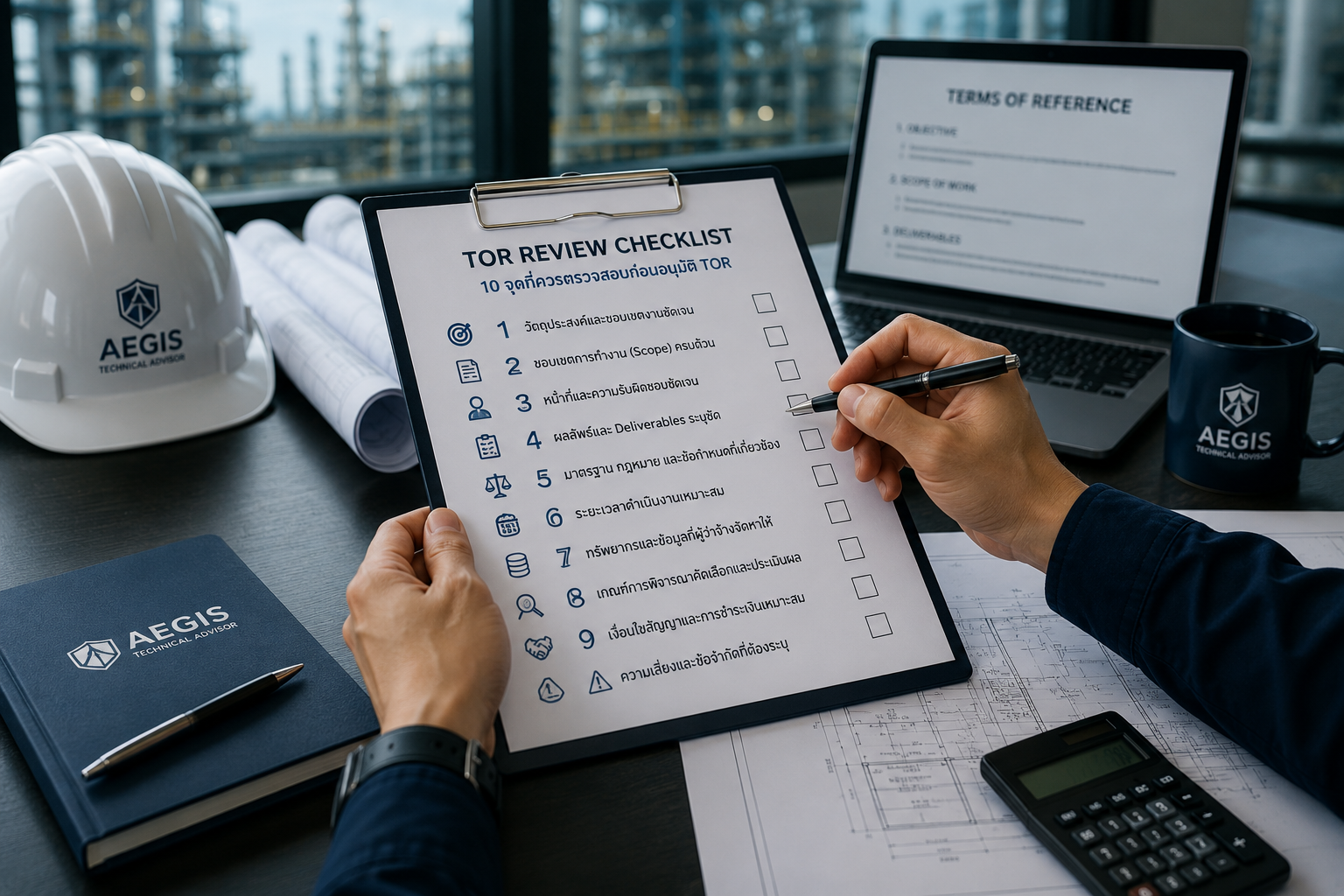
10 Points to Check Before Approving a TOR
Key checks that help reduce risks from unclear requirements and unnecessarily restrictive specifications.
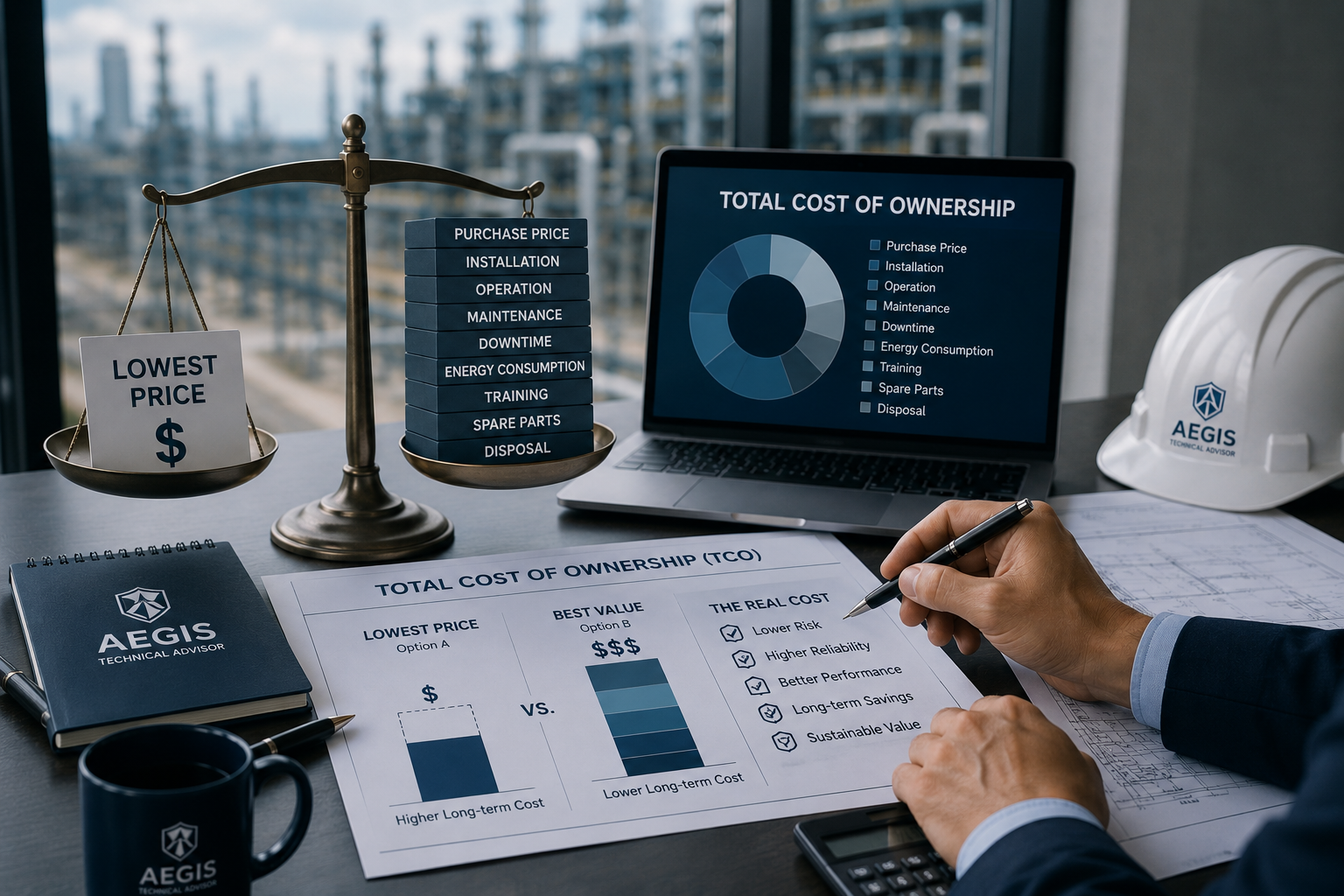
The Lowest Price May Not Be the Lowest Cost
Understand Total Cost of Ownership and long-term costs that may not appear in the initial purchase price.
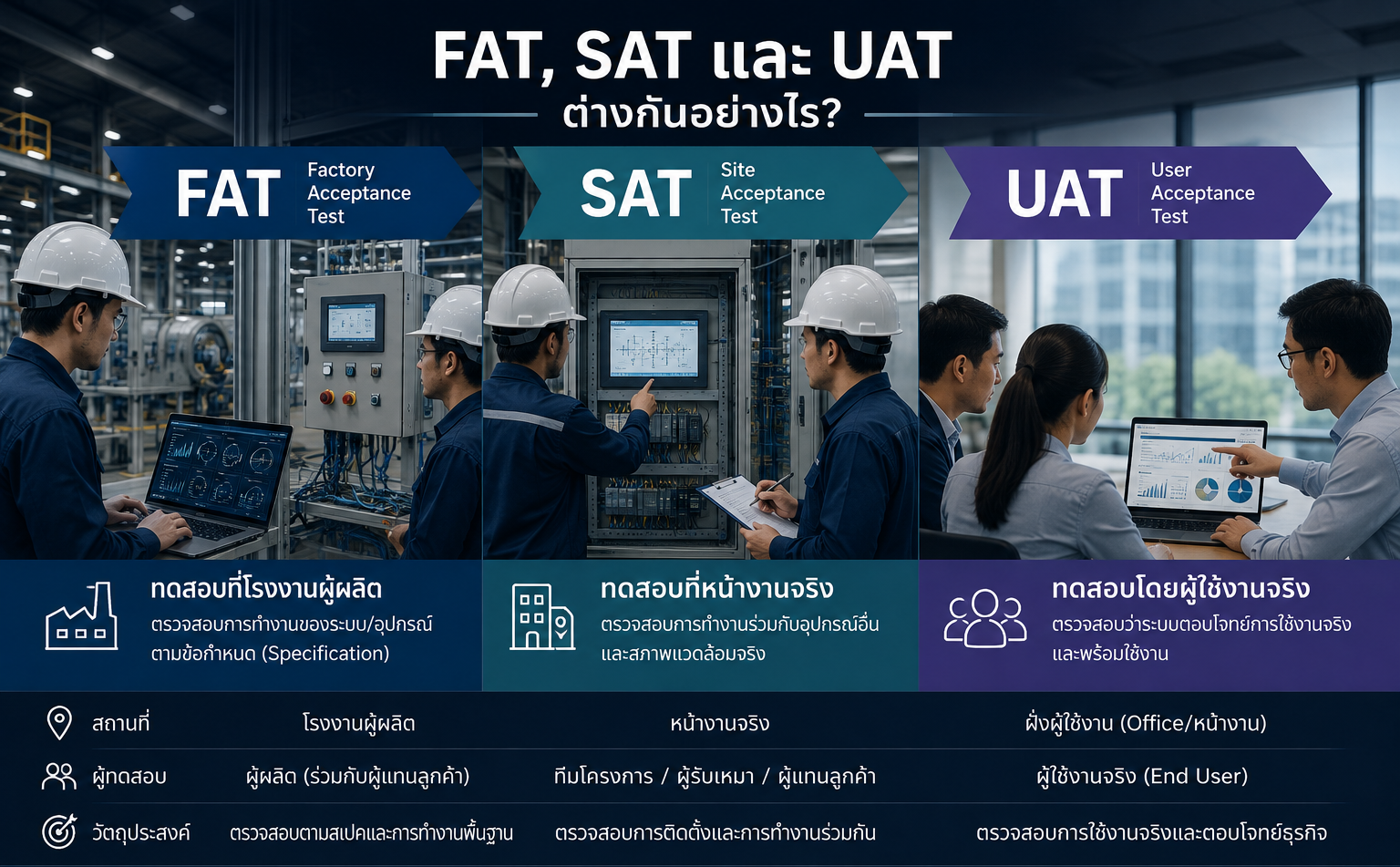
What Is the Difference Between FAT, SAT and UAT?
Understand the purpose of each testing stage before final acceptance and live operation.